Wednesday, 25 April 2018

Work Record Four: (Daniella Zalcman)

Word Record Four: (Daniella Zalcman)

Plans For Shoot: Forest vs.Urban
For this shoot, I will visit Epping Forest and will take pictures during the cold snap to capture the snow. I'm interested in forests and the different landscapes that are within them. I will complete two shoots and use photoshop to layer the two images over each other by changing the opacity. 

Research Influence: 
I've chosen to research Daniella Zalcman as I like the double exposures of London and New York that she is well known for. I will do two shoots and layer the forest images over the urban images to juxtapose the different landscapes over each other. 


Image Bank:


Image result for Daniella Zalcman

Image result for Daniella Zalcman

Image result for Daniella Zalcman

Image result for Daniella Zalcman

Image result for Daniella Zalcman

Image result for Daniella Zalcman


Contact Sheet(One):

This shoot was in Epping Forest during the cold snap. 
Images That Need Improvement:
DSC_7632.NEF:

As this was one of the first images that I took in the forest I was still getting used to the camera settings and so this image was darker than I wanted it to be. Due to this being one of the first images I was still adjusting the settings which were Aperture Priority, 1/160 second exposure, F/7.1, ISO 400. I changed the F-stop and the white balance, this resolved the darkness issue and so resulted in the next image being an improvement: DSC_7635.NEF.
DSC_7669.NEF:

I dislike the framing of this image as I was too far away from the geese and the edge of the lake. I have no objection to any other aspects of the images as the exposure and lighting are acceptable. Just as I said before I was reviewing the images while at the location as the camera settings are unreliable when there is snow, due to the amount of light that's present as snow and ice crystals reflect light making it brighter outside. I reshot the image once I was closer to the lake and so feel no need to reshoot as I did this at the location upon reviewing the image. 
DSC_7740.NEF:

I also dislike the framing of this shot as I was experimenting how to frame the image. This is one of the images that I didn't like. However, I achieved many more shots that were framed better than this so I won't reshoot. 
DSC_7783:
The framing of this image is also a problem here as the image isn't straight. Next time I will either use a monopod as I like walking to different places within the forest and also a tripod would be impractical. Another alternative is I could turn the stabiliser on that is built into the camera. 


Best Images:
DSC_7635:
I like this image as you can see the well-used path that has been worn away in the snow by dog walkers and their four-legged companions. 

DSC_7662.NEF:
This is a shot that I took facing the edge of the lake, you can see it in the bottom left of the screen. I chose this as one of my best images because it shows the diversity of the forest. You can see at least three different species of trees let alone the amount of the animals that call the forest home. 

DSC_7671.NEF:
I like this image as it highlights one of the main attractions of the forest: wildlife. People take their children to lakes and forests to feed the birds bread or seed. The more habitats we destroy for new homes the less likely it is that futures generations will be able to see these animals in their natural habitat. 

DSC_7680.NEF:
This is a slightly less used path in the forest. This is one of my best images because it highlights our need to fit in even when we're alone walking, as everyone has walked along the same path through the snow despite it being churned up and marshy from the previous people's steps. 

DSC_7688.NEF:
As the day was so cold there was barely a cloud in the sky, resulting in large amounts of light and clear water that allows beautiful reflections like the one above.

DSC_7717:
I like this images because it is very well balanced. The clear sky is reflected in the freezing water and the reeds on either side of the water are at different depths, personally, this is my favourite image out of the shoot.   


Contact Sheet(Two):


Images that need improvement:
DSC_3087.NEF:
I dislike the framing in this image as the metal fencing ruins the photo. I did notice this when I was shooting and I could have reshot but I didn't feel the need as this image wasn't the type of landscape I was looking for when I set out to shoot. Because of this, I won't reshoot as I have other images that better suit my purpose. 
DSC_3094.NEF:
Out of the whole shoot, this image is one of the most uninteresting. I dislike the framing and the lighting as it's dull and lethargic. I will use a different shot from the shoot as this one is poor, however, I don't feel the need to reshoot. 
DSC_3102.NEF:
I don't like this image as the shot is framed poorly and the subject matter is monotonous, consequently, I won't be using this image in my final images. However, I will not reshoot as I'm content with the images I have. 

My Best Images:
DSC_3090.NEF:
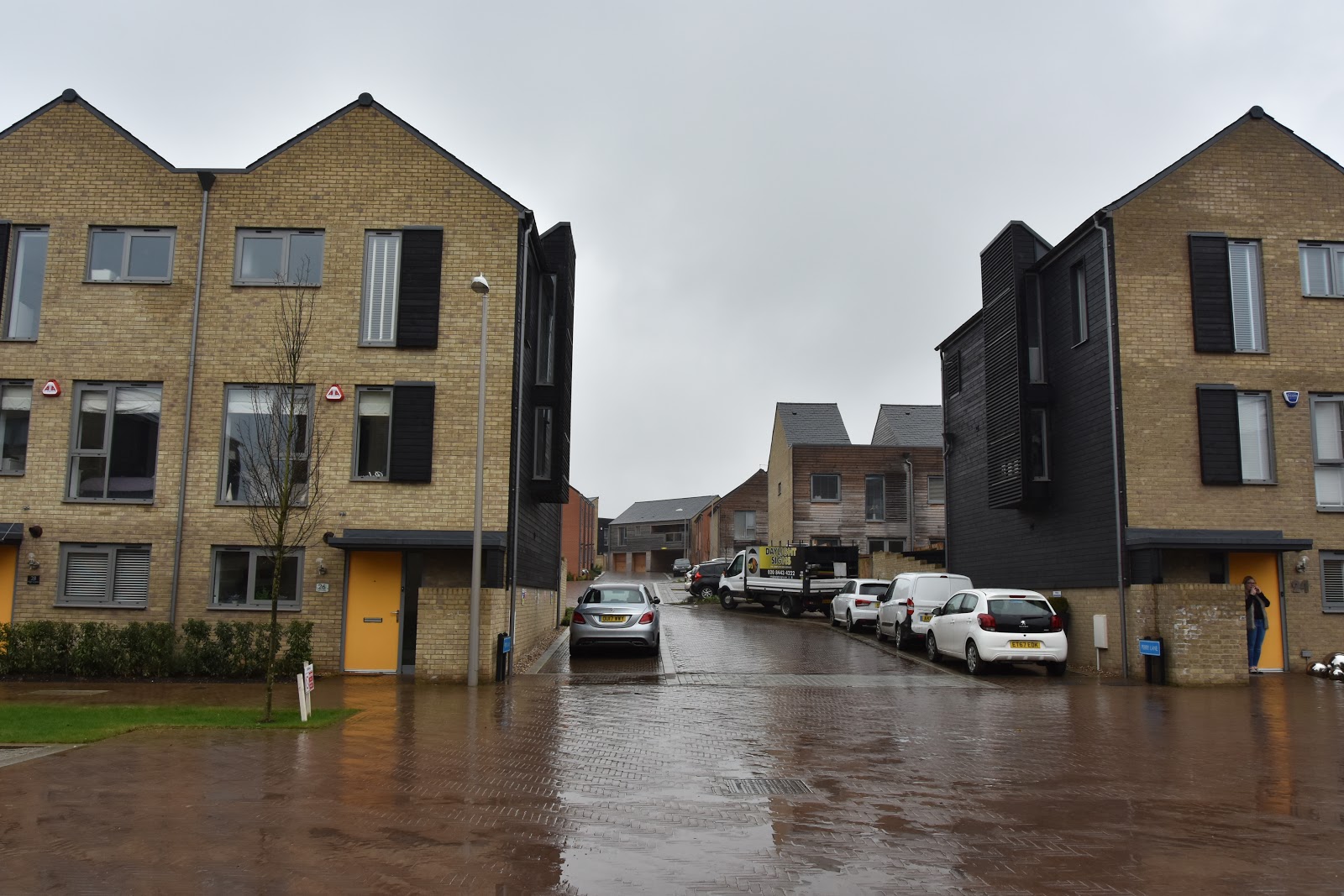
I like this image as it was raining when I took it as it highlights the miserable and sterile neighbourhood I was in. As this is a relatively new estate it looks like a children's playlet of houses, they're all extremely clean and uniform and devoid of character. 

DSC_3091.NEF:
This shows a house up for sale in the new neighbourhood. I don't like the bland style of the houses which makes it even more tragic, on top of a forest being destroyed so this housing estate can be made. 

DSC_3098.NEF:

I like this image as the weather gives a sense of dramatic irony, where the weather reflects the mood of a creative piece.
DSC_3100.NEF:
I like this image as you can see the forest that was cut down to build the housing estate.  Those people who live there will be able to see what the new housing has done to the surrounding environment.
DSC_3108.NEF:
This image has a wonderful contrast of aforementioned forest that has been cut down and the housing estate that has replaced it. 
DSC_3114.NEF:
I like the framing of this shot as there are few soft lines, and it represents the difficulty that the wildlife will have finding new habitats and homes after the forest has been cut down to take images. 

A03: Record ideas, observations and insights relevant to intentions, reflecting critically on work and progress.

My initial ideas were inspired by my research into Daniella Zalcman. I like her double exposures of New York and London that reflect her lifestyle, as her work takes between these two locations. I that I would have to complete two shoots to be able to layer two locations as double exposures in Photoshop. My favourite images out of the first shoot are DSC_7671.NEF because it illustrates one of the main reasons why people like forests - wildlife and one of the main reasons we shouldn't be destroying habitats to build more houses. My second favourite is DSC_7717.NEF as it shows the beautiful lake in Epping forest and the reflection of the sky in the water, which was my target when taking that particular shot. In the second shoot my favourite image was DSC_3090.NEF as it shows one of the main streets in the new estate, all the houses are the same like they've been made using a cookie cutter. Due to their uniform design all the character they could have had has been removed, this images displays this perfectly.     

A02: Explore and select appropriate resources, media, materials, techniques and processes, reviewing and refining ideas as work develops. 
I used my Nikon DSLR with an 18-200mm lens on both shoots, as I was taking landscape shots at both Epping Forest and the new housing estate. For the Epping Forest shoot I was changing the exposure bias which was something new to me, I changed this setting as the snow was reflecting to much light and tampering with the normal camera setting I'd be using. It simply changes the exposure so that the camera settings are at the optimum configuration for the environment. If I was to change something about the practical part of this shoot it would be changing the second location as I found it difficult to analyse the images because they were all so similar due to the location and the architect that designed the new area. 

A01: Develop ideas through sustained and focused investigations informed by contextual and other sources, demonstrating analytical and critical understanding. 
My first idea was to take double exposures of one location, unfortunately I didn't know how to do this on a digital camera and I didn't want to have to wait for a film roll to come back from processing. I changed my focus to accommodate this by shooting twice at different locations and using Photoshop to layer the images over each other. Alternatively I could have used physical experiments and merged the images together physically by cutting and/or tearing the images then sticking them back together. I chose not to continue this as the photographer I'd researched didn't use this technique and I wanted to take my images in a different direction. I might continue this later in my work to further develop this shoot. 


Improving My Best Images:
To improve my images I decided to use layers in photoshop after my standard editing process of changing the sliders when the images are first opened in Photoshop. 
Here is how I changed the images using the slider when I first opened my images:
For this image I raised the exposure as I had my camera's exposure relatively dark as I was afraid overexposing my images and consequently ruining any details that may have been in the images. I also raised the contrast as I wanted the fine details to stand out against the snow.
  

 As there was a large amount of sky in this image it was lighter than the others I took, consequently I lowered the whites to bring out the reflection in the lake. 

Some of the image of the housing estate were slightly wonky and so I quickly straightened them using the crop tool:

Next I layered the images over each other to create double exposures, I pressed CMD+T (transform) to change the size of the image over the other. Then I held ALT to keep the image proportional to the other image:


As you can see I've layered the two images over each other by changing the opacity so the layer underneath can be seen. However, the house and the corner of the lake aren't at a right angle (as I have circled) and this distracts from the image. COnsequently I had to remove the second layer and straighten the image as this cannot be done with two seperate layers.

Here I have changed the angle of the first layer then replaced the second layer again. Here is the final image I created:


Final Images:


A04: Present a personal and meaningful response that realises intentions and, where appropriate, makes connections between visual and other elements. 

My initial ideas came from my photographer's research into Daniella Zalcman as I liked her double exposures. I wanted to incorporate double exposures Juxtaposition and so used two completely contrasting landscapes. I did this because it would serve as a before and after shot of what was on the land before the new housing estate was built onto it, and now the damage that has been caused to the environment and the habits that existed before is irreparable.

For my next work record I would like to look further into how humans consume the world around them at an alarming rate and most don't notice it is happening because we, as a race have become detached from nature.   

Juxtaposition:
For this shoot I wanted to take photographs of different skulls as my main focus has been human skulls so far. My main reasoning behind this was to explore the different meanings behind the different skulls. 


In my next shoot I would like to experiment with different colours and skulls as different colours have different meanings as well as the different skulls. 


Monday, 9 April 2018

Photographer Research Five: Beth Galton


Photographer Research Five: Beth Galton 

Research:
Based in New York, Beth Galton has drawn the attention of top advertising agencies as she has a strong sense of detail and of light/composition. Her clients have ranged from Starbucks, Burts Bees and Motts to Denny's and Chipotle. Her images have been featured in the Washington Post, Rachel Ray, and Dr Oz to name a few.  


Image Bank:Image result for beth galton wiki
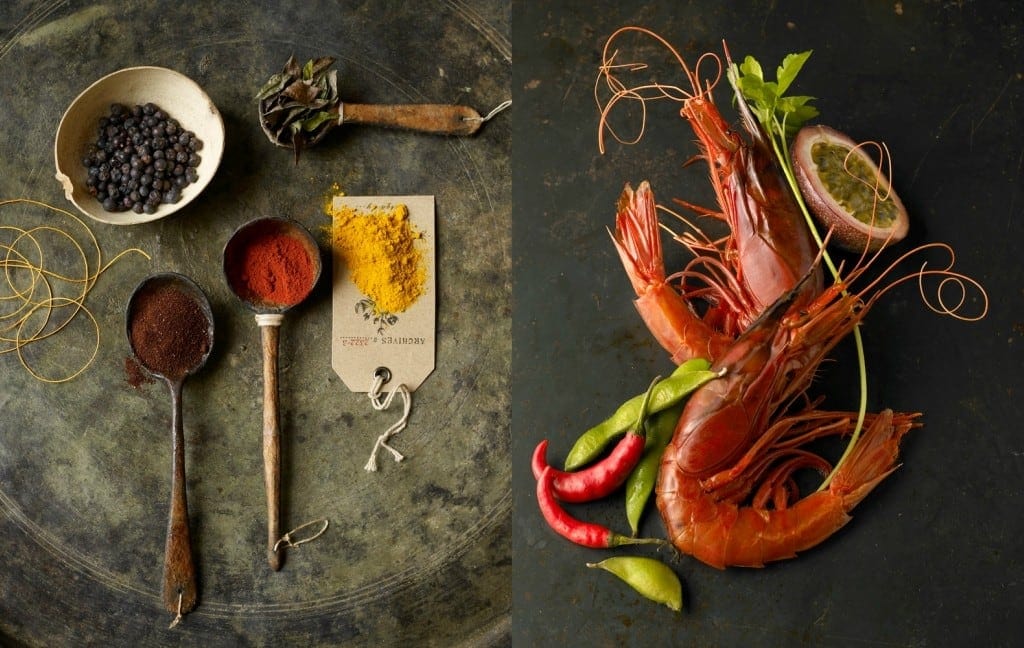
This lighting in this shot has been framed beautifully, I also like the different complimentary tones that Galton has chosen. The deep purple of the plums as the chestnut brown of the table complement each other gorgeously. 


Image result for beth galton wiki
The fact that this chicken burrito has been cut in half implies that someone was about to eat it. Beth Galton is famous for her food photography and she is good at using light and composition to her advantage. 

Image result for beth galton wiki
I like this image as she placed fruit and jam next to each other, this implies that the fruits shown have been used to make the jam. This implication suggests that the jam has been homemade and as is normally the case homemade tastes best.  Image result for beth galton
This image looks like someone is making a sophisticated seafood meal and the composition of the ingredients implies that they're showing someone how to make the meal. 

Influence and Summary:
I have used my research into Beth Galton to develop my style while I am taking photographs in a studio setting. I took point from her style and looked into her use of lighting and composition when photographing food. 

My work:


Friday, 6 April 2018

Work Record Three: Frank Gohlke

Work Record Three: Frank Gohlke

Plans For Shoot:
For this shoot I plan to use my photographer's research as inspiration and take photographs of a deconsecrated church which is a juxtaposition in itself. 

Research Influence:
My photographer I've chosen to research in connection to Juxtaposition is Frank Gohlke. I will aim to a take photographs of bleak landscapes as he does, while still retaining my previous research into different styles of photography, and maintaining my search for small contradictions within locations (such as light juxtaposition).

Image Bank:
Image result for frank Gohlke

Image result for frank Gohlke

Image result for frank Gohlke

Image result for frank Gohlke

Image result for frank Gohlke juxtaposition

Contact Sheet:

Images that need improvement:
D726085.JPG:
This image is too dark as I had set my camera settings to take pictures in the sun and so the exposure was too dark and the F-stop was too high causing the aperature to be too small so not enough light to enter the camera. I also dislike the framing and the angle that the church is at in the shot. Considering my other images in this shoot are better than this one I don't feel the need to re-shoot.
D726139.NEF - D726159.NEF:
I was shooting this image into the sun and this caused camera glare and so this detracts from the subject of the image. I was trying to take a shot of the flowers that had just sprung but due to the time of the day the sun was in the shot. The framing was also poor due to the angle I was holding the camera. 

Best Images:
D725995:
I like the juxtaposition of this image as it's a teddy-bear that someone has thrown into a field. This is juxtaposition as teddy's are an item specifically made for love and someone has discarded it heartlessly. 

D726000:
This is some farm equipment a farmer has left at the edge of his land to rust. I moved the bear into the shot as I liked the juxtaposition of something designed to be loved tossed carelessly out of someone's window. 

D726023:
This a trailer that the farmer has also left at the edge of his land; it's been there for so long people had begun living inside it and moved on as there were mattresses dumped inside, or people have begun fly-tipping inside it. This is juxtaposition as a vehicle that was built for utility has been left in a field to rust and yet people have still found a way to use it even after it's been abandoned. 
D726030:
This is a shot of a barren field in the winter. This is my favorite out of the series as a piece of land that is specifically designated for growing food lays empty for half of the year. I also like the positioning of the trees as they remind me of small tumble weeds that sweep across deserts and the crystal clear sky that darkens the further from the earth it gets.  
D72650:
This is a public footpath towards a church that has been decommissioned, and although the church isn't used anymore people still leave flowers at the memorials in the churchyard.  
D726074:
I like the framing of this shot and the significance of the time of day when I took it. The fact that this door is no longer used and the fact that it lays in the shadows of the graveyard.

A03: Record ideas, observations and insights relevant to intentions, reflecting critically on work and progress.

When I started thinking of ideas as to how I should approach Frank Gohlke's work I assumed I'd have trouble finding places that I'd be able to visit as he is based in Wichita Falls, Texas which is drastically different from English Landscapes that I have access to. However, my father took me to a beautiful decommissioned church. 


My initial idea was to find small contradictions within the church and the churchyard. However, the church hasn't been maintained so it wasn't open to the public and I couldn't go inside. I did find some interesting shots despite the setbacks. I liked the flowers that were growing on a grave as I thought life growing from death was poetic, however this shot was ruined due to the angle I took it at and the sun glare. I also like the shots I took on my way to the church, such as the bland landscape set against the pale winter sky. 

A02:Explore and select appropriate resources, media, materials, techniques and processes, reviewing and refining ideas as work develops.

I used a Nikon D7300 to take these shots, and I kept it on aperture priority as this allows me to choose an aperture value and the camera generates a shutter speed to suit it so that the image doesn't become over exposed (too light) or under exposed (too dark). I like using this setting as the camera's light meter determines the shutter speed, this usually means the images turn out how I see them. However, sometimes I haven't changed the setting to match the shutter speed and so the shots are either over or under exposed, this is why I shoot in RAW format as it allows me to change the exposure in Photoshop.   


A01:Develop ideas through sustained and focused investigations informed by contextual and other sources, demonstrating analytical and critical understanding. 


I wanted to experiment with Gohlke's style and so I searched for landscapes that related to his work. By using his style of photography I have developed how I look at taking photos. It stopped being a location shoot as I was looking for shots I could take along the way which is why I have images that I took on route to the church. My father stopped the car several times so that I could get out and take photographs that I thought would look good in passing.


Improving My Best Images:

I've chosen to use Photoshop to improve my images. As I mentioned before I use RAW format so this allows me to edit the images subtly so that the changes aren't too drastic and the images don't look artificial.

I edited all my photographs individually by using the sliders when I opened my RAW files in Photoshop: 

Then I added a black and white layer to the image:


A04: Present a personal and meaningful response that realises intentions and, where appropriate, makes connections between visual and other elements. 

Edited Images:


For this shoot I wanted to find a location that held different juxtapositions within itself as a landscape. However, I have taken closer shots during my walk around the churchyard and found it was rich in things I could take photographs of. Consequently I've developed my range of subject matter as I have captured close range shots such as the brick-filled door, and also bland landscapes such as the large empty filed and equally empty sky behind it.

For my next shoot I would like to investigate different landscapes and different processes that can be applied to my images. In particular  I would like to investigate double exposures and how they can demonstrate juxtaposition. 

Juxtaposition:


I was inspired by the deconsecrated church that I found while completing the above shoot and so constructed this scene with skulls and palm crosses as the church was no longer able to perform services so I made a miniature version of what they might have looked like. 

In my next shoot I'd like to take some photographs of different skulls as they have very different meanings than human skulls.